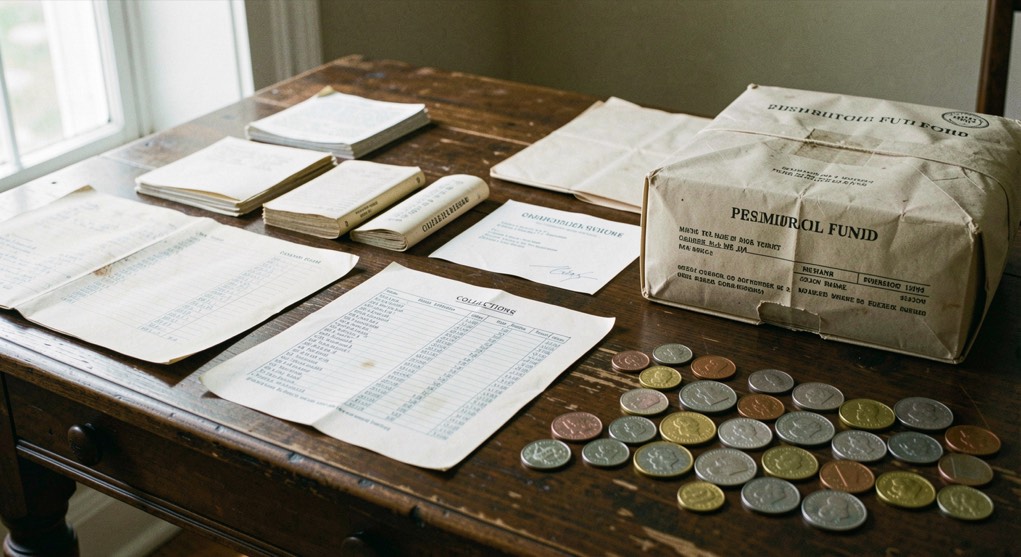
Following receipts
The printed report thanked “the ladies of the committee”, but the receipt book named individual collectors. It showed who visited mills, who negotiated with the railway station and who kept duplicate tickets for concerts.
Those details turn vague gratitude into organisation. Routes were planned to avoid duplication, and sums were counted by two people before banking.
Negotiation and respectability
Women approached employers, clergy and public houses with different arguments. Respectability protected their access but limited open criticism of men who refused.
Visibility after dedication
At the ceremony they appeared as a group, not speakers. Yet their account book remained the clearest record of how commemoration became possible.
Where to look next
Dedication ceremony evidence shows the result, while stone invoices connect fundraising to material choices.