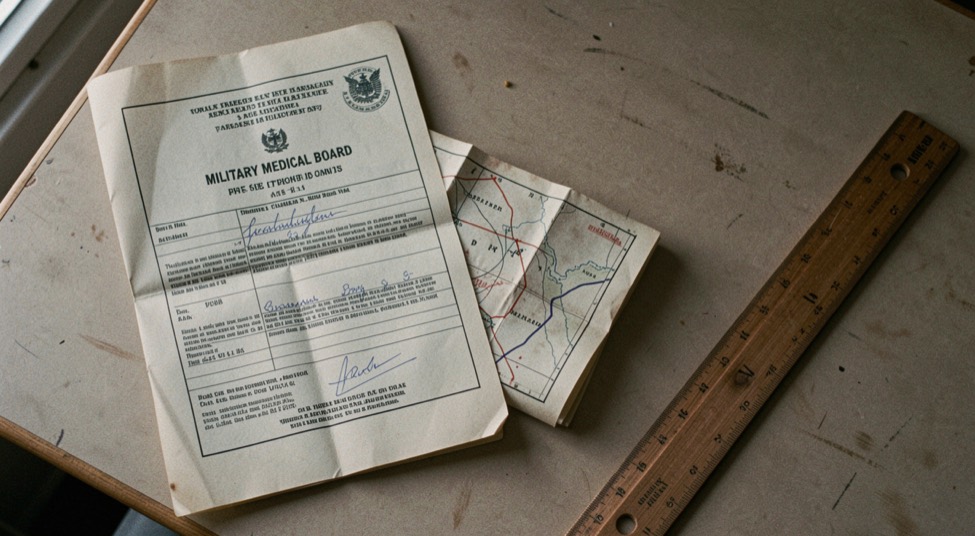
A confusing entry
Family memory said he “was sent away because his lungs were weak”. The file tells a narrower story. After pleurisy he was downgraded, but he remained fit enough for controlled labour. He could carry loads short distances, though not march repeatedly with full kit.
His transfer was therefore neither punishment nor simple discharge. It placed a man with rural skills where roads, timber and horses were urgently needed.
Work behind the lines
Labour units built tramways, unloaded stores and maintained roads. Their casualties were lower than infantry battalions, but exposure to weather and shellfire remained real.
Family evidence
Letters mention tiredness and boots rather than fear. That vocabulary may reflect censorship, self-protection or what relatives were willing to write down.
Where to look next
The service record guide explains grading forms, and home front tribunals show why farm labour mattered locally.