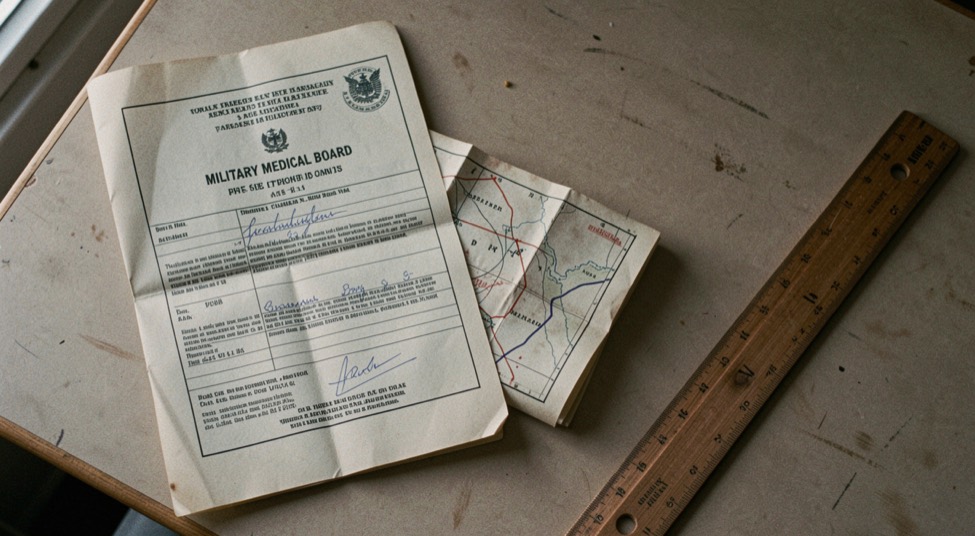
A farmer’s son transferred to labour
Medical boards and battalion orders explain why a strong farm worker moved to a labour unit, challenging simple assumptions about weakness.
Read the articleService in context
Service records do not give a complete life. They give fragments: a transfer, a wound, a trade, a pension or a letter that can be tested against other evidence.

Newest first
Every piece links the visible memorial world to a record, a choice or a method.
Medical boards and battalion orders explain why a strong farm worker moved to a labour unit, challenging simple assumptions about weakness.
Read the article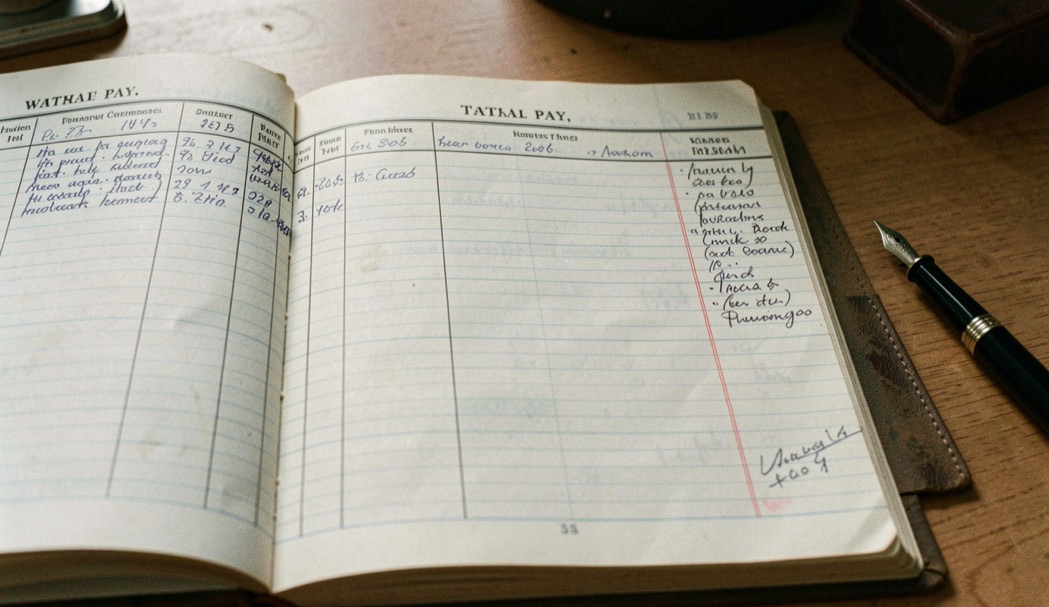
Pay books and a surviving notebook show how a Tadcaster clerk recorded enlistment, allowances and family changes during wartime.
Read the article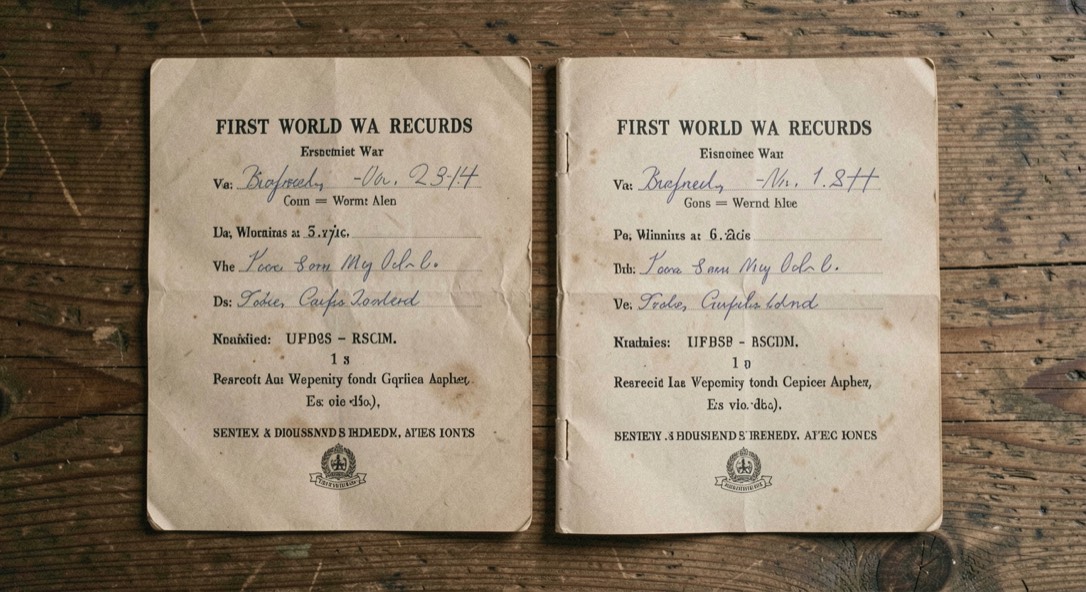
Shared service numbers conceal different experiences. Two brothers served in one battalion but faced distinct duties, wounds and memories.
Read the article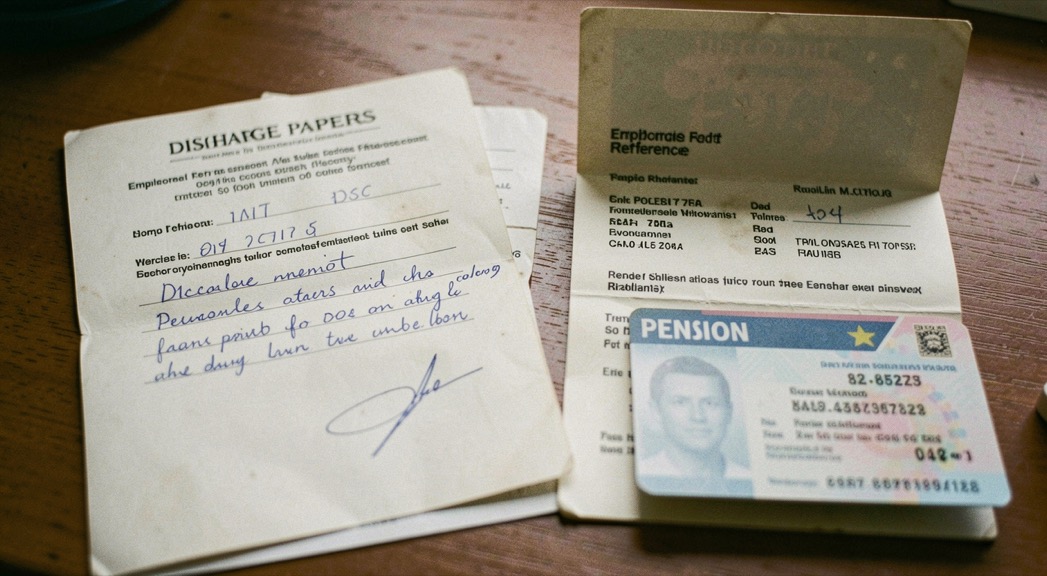
Pension cards and employer references show how wounds, certificates and local reputation shaped work after discharge.
Read the article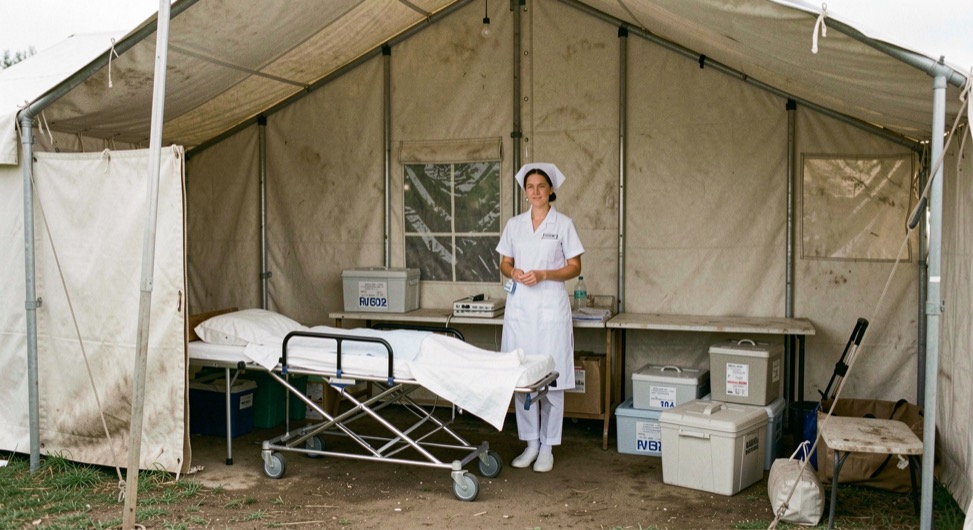
Diary fragments and ward returns show a nurse’s technical work, authority and exhaustion at a casualty clearing station.
Read the article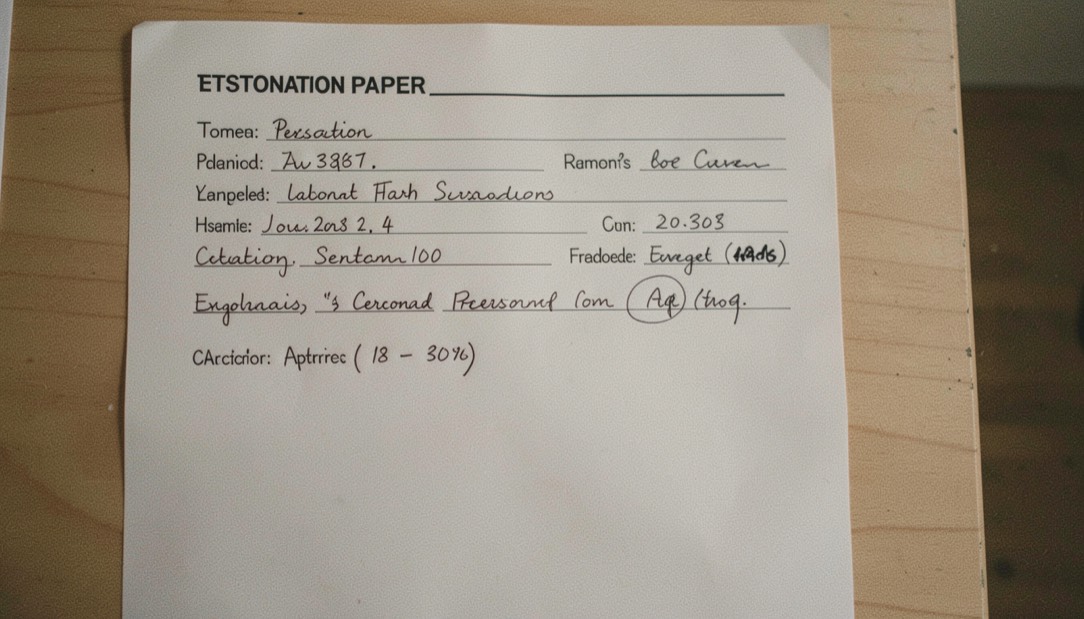
Attestation, medical forms and discharge papers show how age was checked, missed or quietly corrected during recruitment.
Read the article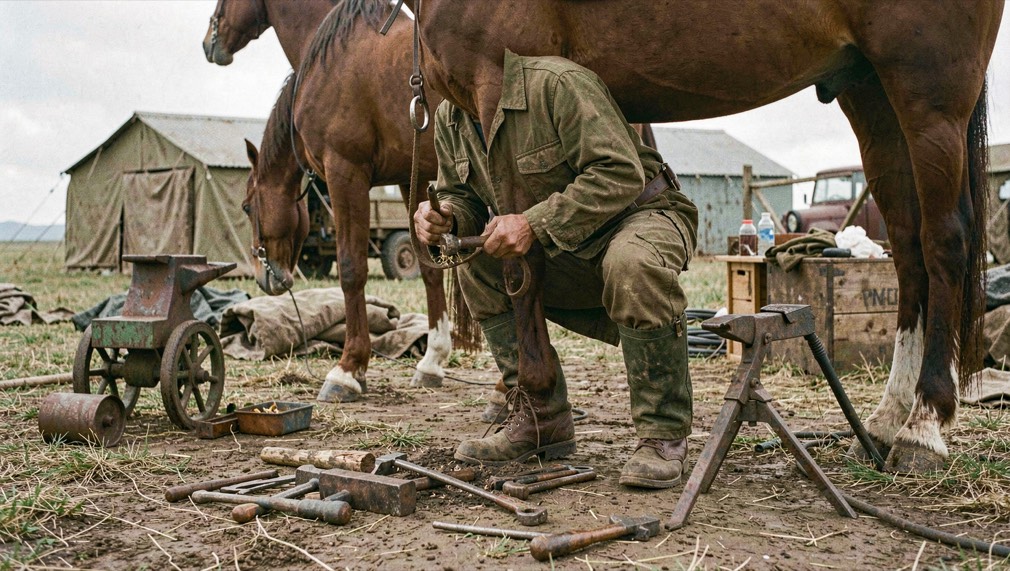
A shoeing smith’s service shows how horse care, farriery and transport kept armies moving behind the front line.
Read the article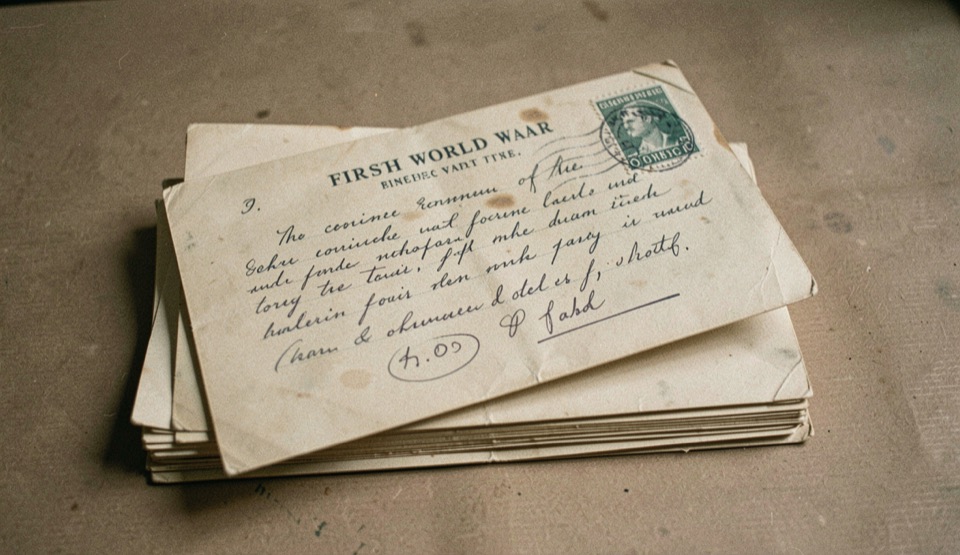
Censored letters reveal affection through small domestic details while official rules limited location, criticism and mood.
Read the article