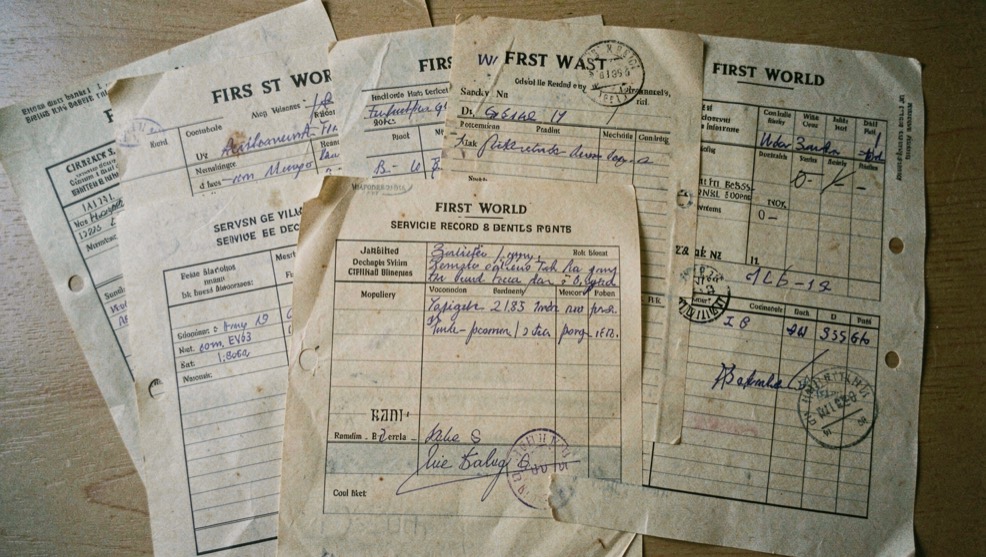
Forms in sequence
A service record is rarely one document. It is a file of forms made for pay, medical boards, transfer and pension. Read it as an administrative trail, not as a biography written by the soldier.
Begin with the enlistment form, but do not trust it completely. Age, next of kin and occupation could be adjusted. Compare the medical inspection, attestation and discharge documents for inconsistencies.
Abbreviations and units
Unit names can hide more than they reveal. A battalion number matters more than a regimental title. Transfer to a labour company may reflect health, skill or army necessity rather than disgrace.
Handling gaps
Many files burned in the Second World War. Absence from one collection is not absence of service. Medal rolls, pension ledgers, local rolls of honour and newspapers can rebuild a chronology.
Where to look next
Newspaper reports add local detail, while the clerk’s rolls show how allowances and family information were managed. Files read this way are gathered in soldiers' stories in the records.